
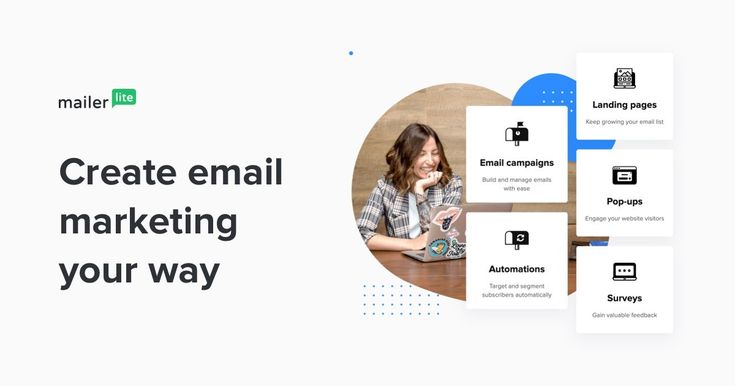
Choosing an email marketing platform in 2026 is harder than it should be. Every tool claims to have the best automation, the cleanest editor, and the most generous free plan — but “best” depends entirely on what you’re trying to do. A solo creator selling a course has completely different needs than an ecommerce store running abandoned cart flows, which is different again from a B2B company that needs its email tied to a sales pipeline.
This guide breaks down the strongest platforms by actual use case, based on current testing, deliverability data, and independent reviews, so you can skip the marketing copy and pick the tool that fits your situation.
What actually separates a good platform from a great one
Before comparing individual tools, it helps to know what to weigh:
- Deliverability — the single most important factor, and the one most overlooked. A platform with a beautiful editor is worthless if your emails land in spam. Shared sending infrastructure, SPF/DKIM/DMARC support, and sender reputation management all factor in here.
- Automation depth — the difference between simple “if this, then that” workflows and true behavioral branching with multiple conditions, custom field logic, and multi-channel triggers.
- Ease of use — how steep the learning curve is, and how much time you’ll spend fighting the interface instead of writing content.
- Pricing transparency — whether your bill scales predictably as your list grows, or jumps unexpectedly at certain thresholds.
- Integrations — how well the platform connects to your existing stack (Shopify, WordPress, Stripe, your CRM).
With that framework in mind, here’s how the leading platforms actually compare.
Best overall for small businesses: MailerLite
MailerLite has built its reputation on being the easiest platform to actually use, and that reputation still holds up in 2026. The interface is clean, the drag-and-drop editor is intuitive even for complete beginners, and it bundles in far more than just email — a landing page builder, a simple website builder, signup forms, and monetization tools for selling digital products, all under one subscription.
Where it shines: Setup takes minutes, not hours. The automation builder handles welcome sequences, abandoned cart flows, and drip campaigns without a steep learning curve. Independent deliverability testing consistently ranks it among the stronger performers in its price range, and it’s one of the few platforms that includes a free landing page and website builder even on the free plan — a feature that typically costs $40–90/month elsewhere.
Where it falls short: The free plan has been reduced twice in the past year, now capping at 250 subscribers rather than the 1,000 it once offered. Automation, while solid for standard use cases, doesn’t handle deeply complex conditional branching the way dedicated automation platforms do. And some users report a strict account approval process that can slow down your first send.
Best for: Solo creators, bloggers, small businesses, and anyone who wants professional-looking newsletters and basic automation without paying enterprise prices or learning a complicated system.
Best for ecommerce: Klaviyo and Omnisend
If you’re running a store, general-purpose email tools start to show their limits fast. Klaviyo and Omnisend were both built specifically around commerce data, and it shows in the details — native product recommendation blocks, revenue-attributed reporting that ties directly back to campaigns, and deep two-way sync with platforms like Shopify and WooCommerce.
Klaviyo is the deeper of the two. It handles predictive analytics (like estimated customer lifetime value and likelihood to churn), sophisticated segmentation based on purchase behavior, and SMS in the same platform. The trade-off is a steeper learning curve and pricing that climbs quickly as your contact list and send volume grow — it’s built more for stores that are already scaling than ones just getting started.
Omnisend covers similar ground with a gentler learning curve and more approachable pricing, making it the better starting point for smaller stores that still want ecommerce-specific automation (abandoned cart, post-purchase flows, product recommendations) without Klaviyo’s complexity or cost.
Best for: Any business selling physical or digital products online, especially once you’re running recurring campaigns like abandoned cart recovery, post-purchase sequences, or win-back flows.
Best for advanced automation: ActiveCampaign
For businesses that have outgrown simple drip sequences, ActiveCampaign is where most serious reviewers land. Its automation builder supports genuinely complex, multi-condition branching — behavioral triggers, lead scoring, and a built-in CRM layer that most competitors simply don’t offer at the same depth. Independent deliverability tests have also placed it consistently near the top of the category, often in the mid-90s percentage range.
Where it shines: The automation engine can orchestrate customer journeys across email and other channels based on real-time behavior, not just static rules. If your marketing needs to respond dynamically to what a subscriber does — clicks, purchases, site visits, form submissions — this is one of the few platforms built to handle that without hitting a ceiling.
Where it falls short: That power comes with a real learning curve, and pricing starts noticeably higher than MailerLite or Brevo. It’s not the right choice if you just need to send a clean weekly newsletter.
Best for: Growing businesses and marketing teams that need sophisticated, behavior-driven automation and are willing to invest time learning the platform to get there.

Best for creators and course builders: Kit (formerly ConvertKit)
Kit was purpose-built around the specific workflow of bloggers, YouTubers, podcasters, and online course creators — and it shows in features that general email tools don’t prioritize. Creator Commerce lets you sell digital products, paid newsletters, and subscriptions directly through the platform without bolting on a separate storefront. Landing pages and forms are designed specifically around audience growth rather than generic business use cases.
Where it shines: Tag-based subscriber management makes it easy to segment your audience by what they’ve purchased, downloaded, or engaged with — genuinely useful once you’re running multiple products or a course launch sequence. The automation builder supports conditional logic like suppressing a sales email for people who already bought.
Where it falls short: Design flexibility in the email editor is minimal by comparison — Kit leans toward plain-text-style emails rather than visually rich campaigns, which is a deliberate choice but not for everyone. Pricing also climbs as your list grows.
Best for: Anyone building a personal brand or audience-based business around content, courses, or paid subscriptions.
Best for B2B with a sales pipeline: HubSpot
HubSpot’s core strength isn’t email in isolation — it’s unification. Marketing emails, landing pages, lead handoff, and pipeline management all tie back to the same CRM record, giving sales and marketing teams a shared view of every customer interaction. For organizations that need governance and reporting across multiple teams, that’s a meaningful advantage no pure email tool replicates.
Where it falls short: This unification comes at a real cost — HubSpot is the most expensive platform on this list by a wide margin, and its raw email deliverability has tested lower than lighter-weight, email-first competitors in independent testing. You’re paying for the full go-to-market platform, not just inbox performance.
Best for: B2B companies with a defined sales process that need marketing and sales activity to live in the same system.
Best generous free tier and multichannel: Brevo
Brevo (formerly Sendinblue) stands out for pricing based on send volume rather than contact count, which means a large, mostly-inactive list doesn’t inflate your bill the way it would elsewhere. Its free plan covers a notably higher contact limit than most competitors. Beyond email, it bundles in SMS, WhatsApp, and basic CRM functionality — useful if you’d rather run one platform than stitch several together.
Best for: Growing businesses that want multichannel reach (email, SMS, chat) without paying for separate specialized tools for each.
Where Mailchimp fits in 2026
Mailchimp remains the most recognized name in the category, with an integration ecosystem — over 800 native connections — that’s still unmatched. But its position has weakened. Its once-generous free plan has been scaled back significantly, automation is increasingly locked behind paid tiers, and several independent testing roundups now describe a one-way migration pattern: users leaving Mailchimp for MailerLite, ActiveCampaign, or Kit, with little traffic moving the other direction. It’s still a reasonable choice if you’re already deeply integrated into its ecosystem, but it’s rarely the top recommendation for someone starting fresh.

How to actually choose
Rather than picking the platform with the longest feature list, match the tool to your specific situation:
- Just starting a newsletter or small list? MailerLite or Kit, depending on whether you’re selling anything.
- Running a store? Omnisend if you’re small-to-mid-sized, Klaviyo if you’re scaling and need deeper analytics.
- Need complex, behavior-driven automation? ActiveCampaign.
- Need marketing and sales in one system? HubSpot, budget permitting.
- Want multichannel (email, SMS, chat) without extra tools? Brevo.
Most of these platforms offer a free trial or a genuinely usable free plan, so the lowest-risk approach is testing your top two candidates directly with your actual content and workflow before committing to a paid tier. Deliverability, automation depth, and day-to-day usability all feel different once you’re inside the tool than they do on a features comparison page.