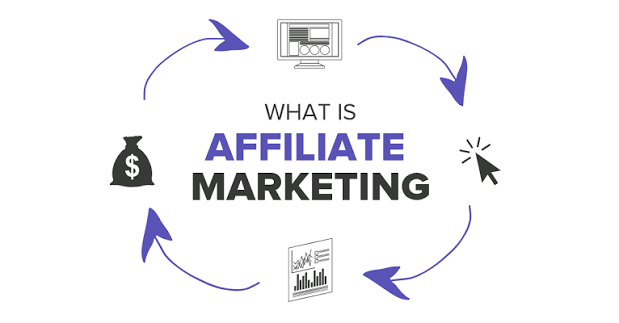
One of the most important strategic distinctions in affiliate marketing is the difference between informational content and commercial content. Confusing the two, or relying too heavily on one at the expense of the other, is one of the most common reasons affiliate sites either fail to attract traffic or fail to convert the traffic they do get. Understanding how these two content types work together — and how to balance them — is essential to building a genuinely effective affiliate website.
Defining the Two Content Types
Informational content answers a reader’s general question or teaches them something, without necessarily being tied to an immediate purchase decision. Someone reading this type of content might be early in their research process, simply trying to understand a topic, solve a problem, or learn how something works.
Commercial content is built around helping a reader make or finalize a specific purchase decision. This content assumes the reader already has some buying intent and is looking for a specific recommendation, comparison, or final piece of reassurance before clicking “buy.”
The distinction matters because these two content types serve different purposes in a reader’s journey, require different structures, and play different roles in your overall affiliate strategy.
Why Informational Content Matters
Building Topical Authority: Search engines increasingly reward websites that demonstrate comprehensive knowledge of a subject, not just isolated commercial pages. Informational content — explainer articles, how-to guides, and educational resources — helps establish this broader authority, which can indirectly improve the ranking performance of your commercial pages as well.
Capturing Top-of-Funnel Traffic: Many readers begin their research process with general questions long before they’re ready to make a specific purchase decision. Informational content captures this earlier-stage traffic, introducing readers to your site and building trust well before they reach the point of an actual buying decision.
Building Trust Before the Sale: A reader who finds a genuinely helpful, well-explained answer to an educational question is more likely to trust your subsequent product recommendations, since you’ve already demonstrated real expertise and a genuine interest in helping them, rather than simply pushing a sale.
Supporting a Larger Content Ecosystem: Informational content provides natural opportunities to link toward your commercial content, gently guiding readers who arrive with a general question toward a specific, relevant product recommendation once they’ve been sufficiently educated.
Why Commercial Content Matters
Direct Conversion Potential: Commercial content — reviews, comparisons, and “best of” roundups — targets readers who are much closer to an actual purchase decision, making it the primary direct driver of affiliate revenue on most sites.
Higher Immediate ROI: Because commercial content converts at a meaningfully higher rate than informational content, it often represents the most efficient use of your content creation time in terms of direct revenue generated per piece published.
Clearer Search Intent Targeting: Commercial searches (“best X,” “X vs Y,” “X review”) tend to have clearer, more predictable intent than many informational searches, making it somewhat easier to create content that directly satisfies exactly what the searcher is looking for.
The Risk of Relying Too Heavily on Either Type
Too Much Informational Content, Not Enough Commercial A site built almost entirely around educational content may attract significant traffic and build genuine authority, but without enough commercial content to actually convert that traffic into affiliate sales, much of that traffic potential goes unmonetized.
Too Much Commercial Content, Not Enough Informational A site built entirely around reviews and comparisons, without any broader educational content, can struggle to build the topical authority search engines increasingly reward, and may also miss out on capturing valuable top-of-funnel traffic from readers earlier in their research process who aren’t yet ready for a direct product recommendation.
Finding the Right Balance
There’s no single universal ratio between informational and commercial content that works for every niche, but a reasonable general framework treats informational content as the foundation that supports and reinforces your commercial content, rather than treating either type in isolation. Many successful affiliate sites aim for a mix where commercial content directly drives the majority of revenue, while informational content drives a meaningful share of total traffic and reinforces overall site authority and trust.
The right ratio also depends on your niche’s search demand — some niches have much higher search volume for informational, top-of-funnel queries, while others are dominated by more direct, commercial search intent from the start.
How to Structure the Relationship Between the Two
Use Informational Content as a Funnel Entry Point. Educational articles should naturally and helpfully link toward relevant commercial content once a reader has been sufficiently informed, guiding them toward a specific recommendation rather than leaving them to figure out the next step on their own.
Use Commercial Content to Reinforce Informational Authority: Reviews and comparisons can reference and link back to your educational content, providing readers with deeper context if they want to understand more about specific features, terminology, or considerations mentioned in your recommendation.
Build Content Clusters Around Both Types. A well-structured content cluster often includes a comprehensive informational “pillar” page at the center, with more specific commercial content (reviews, comparisons) as supporting “spoke” articles, creating a cohesive structure that serves readers across their entire research journey.
Recognizing Search Intent Correctly
One of the most important skills in balancing these content types is accurately identifying the underlying search intent behind a given keyword. Terms like “what is,” “how does,” or “why” typically signal informational intent, while terms like “best,” “review,” “vs,” or “buy” typically signal commercial intent. Misjudging this intent — for example, publishing an aggressive, sales-focused page for a genuinely informational query — often results in poor rankings and poor reader engagement, since the content doesn’t match what the searcher was actually looking for.
Examples Across Different Niches
In a home fitness equipment niche, an informational article might explain “how to choose the right resistance level for a home gym,” while a commercial article might directly compare “the 5 best adjustable dumbbells under $300.” The informational piece builds trust and authority while addressing a genuine, earlier-stage question; the commercial piece directly targets readers ready to make a specific purchase decision, ideally linking back and forth between both pieces to serve readers regardless of where they enter your site.
In a personal finance niche, an informational article might explain “how compound interest works,” while a commercial article might compare “the best high-yield savings accounts of the year.” Again, the informational content builds credibility and can naturally guide readers toward the commercial recommendation once they understand the underlying concept.
Measuring the Performance of Each Content Type
It’s important to track informational and commercial content somewhat differently, since raw traffic numbers alone won’t tell the full story. Informational content should be evaluated partly on traffic volume and its role in supporting overall site authority and internal linking, while commercial content should be evaluated more directly on conversion rate and actual affiliate revenue generated, since converting readers into buyers is its primary function.
Common Mistakes to Avoid
- Treating every piece of content as purely commercial, missing valuable top-of-funnel traffic and reducing overall site authority
- Publishing only informational content without building the direct commercial pathways needed to actually monetize that traffic
- Failing to link informational and commercial content together, missing opportunities to guide readers naturally through their research and purchase journey
- Misreading search intent, creating overly commercial content for genuinely informational queries, or vice versa
The Bottom Line
Informational and commercial content aren’t competing strategies — they’re complementary pieces of a well-rounded affiliate content ecosystem. Informational content builds the traffic, trust, and topical authority that support your site’s overall search performance, while commercial content directly converts that trust into affiliate revenue. Understanding how to balance and interconnect both types, rather than over-relying on either one, is a foundational strategic skill for building a genuinely successful, sustainable affiliate website.