
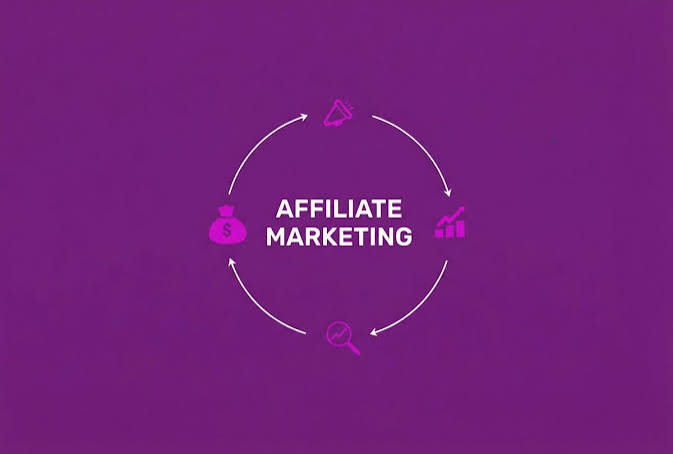
Fitness content creators are in a unique position: their audience is often highly motivated, deeply engaged, and actively looking for products and services to support their goals. Whether you run a workout blog, a YouTube channel featuring home workouts, or an Instagram account documenting your fitness journey, fitness affiliate programs offer a natural way to monetize that trust while genuinely helping your followers achieve their goals.
This guide covers what fitness affiliate marketing looks like today, the best categories of products to promote, and practical strategies for building a sustainable income from this evergreen niche.
What Are Fitness Affiliate Programs?
Fitness affiliate programs allow content creators to earn commissions by promoting fitness-related products and services, ranging from equipment and apparel to workout apps and supplement brands. When someone purchases a product or subscribes to a service through your unique affiliate link, you earn a percentage of that sale or a fixed commission.
The fitness industry spans physical products like equipment and apparel, digital products like workout apps and online coaching programs, and hybrid offerings such as connected fitness equipment paired with subscription content. This variety allows fitness affiliates to build a diverse income stream rather than relying on a single product category.
Why Fitness Is a Rewarding Affiliate Niche
Fitness is a deeply personal and aspirational category, which means audiences are often highly engaged and willing to invest in products that support their goals. Unlike more transactional niches, fitness content often builds a loyal, returning audience that trusts your recommendations over time.
The industry also benefits from recurring revenue opportunities. Many fitness apps, coaching platforms, and connected equipment brands operate on subscription models, and affiliates who refer these subscriptions often continue earning commissions for as long as the customer remains active.
Seasonal spikes, particularly around New Year’s resolutions, spring “beach body” season, and back-to-school fitness routines, create predictable windows of high purchase intent that savvy affiliates can plan content around well in advance.
Categories of Fitness Products to Promote
Home Gym Equipment: Items like adjustable dumbbells, resistance bands, and compact cardio machines have grown in popularity, especially among people who prefer working out at home.
Connected Fitness Platforms: Smart equipment paired with on-demand class subscriptions represents one of the fastest-growing categories, often with attractive commissions on both the hardware and the recurring subscription.
Workout and Nutrition Apps: Digital fitness platforms offering personalized workout plans, habit tracking, or nutrition coaching typically run affiliate programs with either one-time or recurring commission structures.
Fitness Apparel and Gear: Activewear brands, supportive footwear, and accessories like fitness trackers and wearables represent a large and visually engaging category well-suited to social media promotion.
Supplements and Nutrition Products: Protein powders, pre-workout formulas, and recovery supplements are a major category, though as with health products generally, it’s important to vet these brands carefully.
Online Coaching and Training Programs: Personal trainers and fitness influencers increasingly sell structured training programs and offer affiliate partnerships, often with generous commission splits since there’s no physical inventory involved.
Recovery and Wellness Tools: Foam rollers, massage guns, compression gear, and recovery-focused wearables cater to an audience increasingly focused on injury prevention and recovery.
How to Choose the Right Fitness Affiliate Programs
Start by considering your audience’s specific fitness interests and needs. A program built around home workouts should focus on equipment and apps suited to limited space, while a program targeting serious athletes might focus on performance apparel and recovery tools.
Compare commission structures across programs. Physical product programs, such as those for equipment or apparel, often pay in the 5% to 15% range, while digital subscriptions and coaching programs can offer 20% to 50% commissions or generous flat fees per sign-up.
Check the program’s reputation for product quality and customer service. Fitness products, especially equipment, are prone to durability issues, and consistently promoting low-quality products can damage the trust you’ve built with your audience.
Look into whether the brand offers affiliate-exclusive discount codes. These not only make it easier for your audience to justify a purchase but also make it simple for you to track conversions that might not go through your affiliate link directly.
Content Ideas That Convert in the Fitness Niche
Product Reviews and Unboxings: Detailed reviews, especially with photos or video demonstrating the product in use, help potential buyers understand exactly what they’re getting before they commit to a purchase.
Workout Guides Featuring Specific Equipment: Structuring a workout guide around specific equipment naturally introduces affiliate products in a helpful, non-salesy context.
Before-and-After Transformation Content: When authentic and honestly presented, transformation stories that credit specific programs, apps, or products can be highly persuasive, provided you’re careful not to make unrealistic promises.
Comparison Content: Articles like “Best Adjustable Dumbbells Under $300” or “Top Fitness Apps for Beginners” capture readers who are close to a purchase decision and appreciate a clear, organized comparison.
Seasonal Fitness Challenges: Building a 30-day challenge or program around your recommended products creates an engaging content series that naturally reinforces your affiliate recommendations throughout.
Leveraging Social Media and Video for Fitness Affiliate Marketing
Fitness is an inherently visual niche, making platforms like Instagram, YouTube, and TikTok especially effective for affiliate promotion. Short workout clips demonstrating equipment in action, “day in the life” content featuring your favorite gear, or quick app tutorials can drive significant traffic and conversions.
Live workouts or Q&A sessions also offer an opportunity to answer product questions in real time, building trust while naturally mentioning your affiliate recommendations. Many fitness influencers find that authentic, unpolished content showing real effort and results outperforms overly produced advertising-style posts.
Building Long-Term Trust With a Fitness Audience
Because fitness progress takes time and consistency, your audience needs to see you as a credible, honest source of guidance rather than someone simply chasing commissions. Be transparent about which products you personally use and love versus those you’re recommending based on research or brand information.
Avoid over-promising results. Fitness outcomes vary significantly from person to person based on factors like genetics, consistency, and starting point, and setting realistic expectations protects both your credibility and your audience’s wellbeing.
Engage authentically with your community by responding to comments, sharing your own struggles and setbacks, and celebrating your audience’s progress. This kind of genuine connection significantly increases the likelihood that your audience will trust and act on your product recommendations.
SEO and Search Strategy for Fitness Affiliates
Fitness is a highly competitive niche in search, so focusing on specific, long-tail keywords is essential for newer sites. Instead of targeting broad terms like “best protein powder,” consider more specific angles like “best plant-based protein powder for weight loss” or “best resistance bands for home physical therapy.”
Building content clusters around specific goals, such as home gym setups, beginner running gear, or postpartum fitness, allows you to establish topical authority in a defined area rather than competing broadly against major fitness publications.
Common Mistakes to Avoid
Avoid promoting every trending fitness product without testing it yourself, since credibility is especially important in a niche where audiences can easily spot inauthentic recommendations. Don’t neglect updating older content, as fitness products, especially technology-driven ones like apps and wearables, evolve quickly, and outdated reviews can hurt both your credibility and your search rankings.
Be cautious about supplement claims, avoiding language that suggests guaranteed results or medical benefits without appropriate evidence and disclaimers, both to remain compliant with regulations and to maintain audience trust.
Getting Started With Fitness Affiliate Marketing
Begin by identifying your specific fitness niche, whether that’s home workouts, running, strength training, or wellness-focused fitness, and choose two or three affiliate programs that align closely with your content and personal experience.
Create a foundation of trustworthy content: a handful of honest product reviews, a comparison article, and workout content that naturally incorporates your recommended products. As you build an audience, expand into video content and email marketing to deepen engagement and increase conversion opportunities.
Final Thoughts
Fitness affiliate programs offer content creators a natural, rewarding way to monetize their passion for health and wellness while genuinely helping their audience reach their goals. Success in this niche depends on choosing quality products, creating honest and engaging content, and building the kind of trust that keeps your audience coming back for guidance again and again. With consistency and authenticity, fitness affiliate marketing can become both a meaningful and profitable long-term venture.