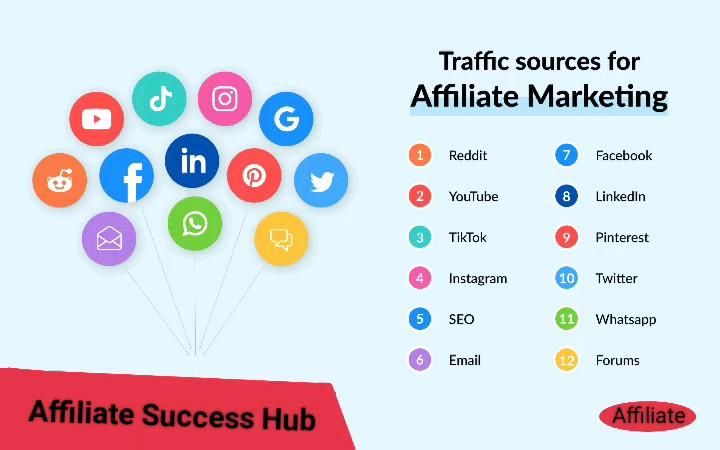
Paid traffic can generate fast results, but it stops the moment the budget runs out. Organic traffic works differently. A blog post published today can keep sending visitors and generating commissions two years from now, without any ongoing spend. For affiliate marketers, especially those just starting out or working with a limited budget, building genuine organic traffic sources is one of the most reliable ways to create a sustainable, compounding business rather than one that depends entirely on continuous ad spend.
The tradeoff is time. Free traffic takes longer to build momentum than paid campaigns, and it requires real consistency before the compounding effect kicks in. This guide covers the organic traffic channels that actually work for affiliate marketers in 2026, how to prioritize them, and how to build a realistic strategy around channels you can sustain long term.
Search Engine Optimization Remains the Foundation
SEO is still the single most powerful free traffic source for affiliate marketing, and it remains the foundation most other organic strategies build on top of. Unlike social platforms, where a post’s reach fades within days, well-optimized content can continue ranking and driving traffic for years with only occasional updates. The core fundamentals have not changed: research keywords that match genuine buyer intent, write content that comprehensively answers the questions behind that search, structure pages clearly with proper headings and meta tags, and build internal links that help both readers and search engines navigate your site.
What has changed is the competitive landscape and the emergence of AI-driven search experiences alongside traditional results. Content that demonstrates real expertise, and increasingly, content structured clearly enough to be referenced inside AI-generated summaries, has a growing advantage. For a new affiliate site, the realistic strategy is to start with lower-competition, long-tail keywords where a smaller site has a genuine chance to rank, and build topical authority in a specific niche before attempting to compete for the most competitive head terms.
YouTube: Long-Term Compounding Video Traffic
YouTube functions as both a search engine and a social platform, which makes it one of the most durable free traffic sources available. A well-optimized video, with a clear title, thorough description, and genuinely useful content, can continue generating views and affiliate clicks for years after publication, similar to a well-ranked blog post. Product reviews, comparison videos, and tutorial content tend to perform particularly well for affiliate purposes, since viewers watching this type of content are typically close to a purchase decision.
The barrier to entry on YouTube has dropped significantly, since production quality matters less than genuine usefulness and clear communication. Optimize video titles and descriptions with the same keyword research discipline you would apply to a blog post, include affiliate links prominently in the description, and consider repurposing the same core content into a companion blog post to capture both video and traditional search traffic from a single piece of work.
Pinterest: An Underused Visual Search Engine
Pinterest functions more like a visual search engine than a traditional social platform, and its content has a much longer shelf life than a typical social post, often continuing to drive traffic for months or years after being pinned. This makes it a particularly strong fit for affiliate niches with strong visual appeal, home decor, fashion, food, fitness, crafts, and similar categories where a compelling image can drive genuine click-through interest.
Create pins with clear, benefit-focused titles and descriptions that incorporate relevant keywords, since Pinterest’s own search functionality rewards the same kind of keyword clarity that traditional SEO does. Link pins directly to your blog content rather than directly to affiliate offers where platform rules require it, letting your content do the persuasive work before directing readers onward.
Reddit and Niche Communities
Reddit and dedicated niche forums represent some of the most engaged, high-intent audiences online, but they also require a fundamentally different approach than other channels. Directly promoting affiliate links in these communities without having built genuine standing typically backfires, since these communities are quick to recognize and reject transparent self-promotion. The sustainable approach is to participate genuinely first, answering questions, sharing real expertise, and building a reputation as someone who contributes value, before any promotional activity enters the picture.
Once you have established genuine credibility in a relevant community, thoughtfully sharing a resource you have created, including relevant, appropriately disclosed affiliate content, tends to be well received precisely because it comes from someone who has already demonstrated they are not just there to sell something. This channel rewards patience and authenticity far more than any other free traffic source on this list.
Repurposing Content Across Channels
One of the most efficient free traffic strategies is not a single channel at all, but a workflow: repurposing one piece of core content into multiple formats across multiple channels. A single, well-researched blog post can become a YouTube video, several Pinterest pins, a handful of social media posts, and an email newsletter segment, multiplying the reach of the original research and writing effort without starting from scratch for each channel.
This approach is particularly valuable for affiliate marketers working with limited time, since it lets a single unit of research and content creation work compound across several free traffic sources simultaneously rather than requiring separate, unrelated content strategies for each platform.
Building an Email List From Day One
Email is unique among organic traffic sources because it is the one channel you genuinely own. Search algorithms change, social platforms adjust their reach and rules, but a properly built and maintained email list remains directly accessible regardless of what happens on any third-party platform. For affiliate marketers, this makes email list building a priority from the earliest stage of a site’s growth, not something to defer until traffic is already established.
Offer a genuinely useful lead magnet relevant to your niche, a buying guide, a checklist, or a comparison resource, to convert blog or video visitors into subscribers, then nurture that list with consistent, valuable content that includes relevant affiliate recommendations. A modest but engaged email list frequently outperforms a much larger but passive social media following in terms of actual affiliate revenue generated.
Guest Posting and Genuine Collaboration
Guest posting on relevant, reputable sites in your niche remains a legitimate way to build both backlinks and direct referral traffic, though its value depends heavily on the quality and relevance of the sites involved. A well-placed guest post on a genuinely relevant site can drive meaningful direct traffic in addition to the SEO benefit of a quality backlink, while a guest post on a low-quality, irrelevant site provides little value and can occasionally do more harm than good.
Collaborations with other creators in adjacent niches, cross-promotion, joint content projects, or mutual audience introductions can also generate meaningful organic traffic without any advertising spend, particularly for creators who have built a modest but engaged following and are looking to reach adjacent audiences with genuine relevance to their content.
Answering Questions on Quora and Similar Platforms
Question-and-answer platforms like Quora continue to rank well in search results for many informational queries, which gives well-written, genuinely helpful answers meaningful organic visibility beyond the platform itself. As with Reddit, the key is providing real value in the answer itself rather than treating the platform purely as a link-dropping opportunity, since thin, promotional answers tend to get downvoted or removed and provide little lasting value.
A detailed, well-researched answer to a genuinely common question in your niche, with a relevant link included where it adds real value rather than feeling forced, can continue generating steady traffic for years, similar to a well-ranked blog post, since these platforms are frequently indexed and surfaced by search engines for related queries.
Prioritizing Channels Realistically
Trying to build a meaningful presence across every free traffic channel simultaneously is a common mistake that spreads effort too thin to gain real traction anywhere. A more realistic approach is to pick one or two channels that best match your niche, your content strengths, and your available time, and commit to consistent effort for several months before evaluating results and considering whether to add another channel.
SEO is worth prioritizing for nearly every affiliate niche given its long-term compounding value, but the second channel should be chosen based on genuine fit: visually strong niches lean toward Pinterest or Instagram, product demonstration and tutorial-friendly niches lean toward YouTube, and niches with active, engaged online communities lean toward Reddit or forum participation.
Frequently Asked Questions
How long does it take to see real results from free traffic strategies? Most organic channels take several months of consistent effort before meaningful traffic materializes, and SEO in particular often takes six months or longer to show significant results for a newer site. This is the core tradeoff with free traffic: slower to start, but far more durable once established.
Which free traffic source should a complete beginner start with? SEO is a reasonable default for most niches because of its long-term compounding value, but the better answer depends on your strengths. A comfortable on-camera presence points toward YouTube, strong visual content skills point toward Pinterest, and genuine subject matter expertise you enjoy sharing conversationally points toward community platforms like Reddit or Quora.
Do I need a website to use free traffic strategies like YouTube or Pinterest? Not strictly, since some affiliate programs allow direct linking from social profiles, but pairing any social or video channel with a website gives you a home base for SEO, email capture, and more detailed content than a single platform post or video description typically allows.
Is it worth using multiple free traffic channels at once? Eventually yes, since repurposing one piece of core content across several channels is efficient, but early on it is usually better to build real consistency and results on one or two channels before spreading effort across many, since a shallow presence everywhere tends to underperform a focused presence on a couple of well-matched channels.
Final Thoughts
Free organic traffic is not actually free in the sense of requiring no investment. It costs real time and consistent effort, often for months before meaningful results appear. But unlike paid traffic, which disappears the moment spending stops, organic traffic compounds, continuing to generate visitors and commissions long after the original work was completed. For affiliate marketers building a sustainable, long-term business rather than chasing short-term spikes, prioritizing a focused set of organic channels, executed consistently over time, remains one of the most reliable strategies available.