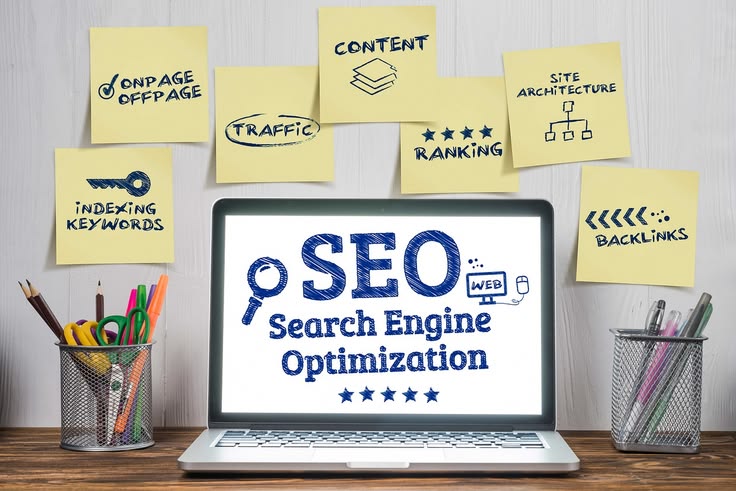
Search engine optimization and affiliate marketing have always been close partners, but the relationship has gotten more demanding in recent years. AI-generated summaries now answer many questions directly on the search results page, click-through rates on top-ranking pages have noticeably declined when those summaries appear, and search engines have become far better at identifying thin, templated affiliate content and pushing it down the rankings. None of that means SEO stopped working for affiliate sites — it means the bar for what counts as genuinely competitive SEO has risen. This guide covers the tactics that actually move rankings and revenue today, not the recycled advice that stopped working several algorithm updates ago.
Start With Commercial Intent Keyword Research
Not all keywords are created equal for an affiliate business, and the biggest tactical upgrade most affiliates can make is shifting keyword research away from pure search volume and toward commercial intent. Terms containing words like “best,” “review,” “vs,” “alternative,” and “pricing” tend to signal a reader close to a purchase decision, even when their monthly search volume looks modest compared to broader informational terms.
A practical approach is to build out a keyword map organized by funnel stage: broad informational terms that build topical authority and internal linking opportunities, comparison and “versus” terms that capture readers actively evaluating options, and bottom-funnel terms like “coupon,” “discount,” or “is [product] worth it” that convert at the highest rate. Prioritizing content production toward the middle and bottom of that map, while still maintaining enough informational content to support topical authority, tends to produce the fastest revenue impact.
Build Topical Authority, Not Just Individual Pages
Search engines increasingly reward sites that demonstrate comprehensive expertise across a topic cluster rather than isolated pages that happen to rank. Building topical authority means mapping out every subtopic relevant to your niche, creating a pillar page that covers the core topic broadly, and then supporting it with a network of more specific articles that link back to the pillar and to each other in a logical structure.
This interlinking does double duty: it helps search engines understand the relationship between your pages, and it keeps readers moving through your site toward the content most likely to convert. A site with twenty scattered, unrelated articles will typically struggle to outrank a site with twenty tightly clustered articles covering the same overall subject in depth, even with similar word counts and backlink profiles.
Write for E-E-A-T, Not Just for Algorithms
Experience, Expertise, Authoritativeness, and Trustworthiness have moved from a background quality guideline to one of the clearest differentiators between affiliate content that ranks durably and content that gets swept aside in quality updates. Practically, this means favoring content built on genuine first-hand experience — your own screenshots, your own testing notes, specific details a generic rewrite would never include — over content assembled purely from other articles and product pages.
Author bios that establish real credibility, clear “how we tested” or “our review process” sections, and visible evidence of original research all signal trustworthiness to both readers and search algorithms. Sites that skip this signal are increasingly vulnerable during broad quality updates, even if their content was performing well previously.
Optimize for AI Search and Answer Engines, Not Just Google’s Blue Links
A growing share of research and purchase-decision traffic now flows through AI-powered answer engines like AI Overviews, ChatGPT, and Perplexity, which synthesize an answer directly rather than sending the reader to a list of links. Being cited as a source inside these AI-generated answers has become its own visibility channel, sometimes called Generative Engine Optimization or Answer Engine Optimization, and it rewards a different kind of writing than classic keyword-focused SEO.
Content that answers a specific question clearly and directly near the top of the page, uses clean structure with descriptive subheadings, and states concrete facts and figures rather than vague generalities tends to get pulled into these AI answers more often. Structured data markup, clear authorship, and consistent factual accuracy across your site also appear to influence whether AI systems treat a domain as a citable, trustworthy source.
Treat Page Experience as an SEO Signal, Not Just a UX Nicety
Page experience factors — how quickly content becomes stable after loading, how responsive interactive elements feel, and how intuitive navigation is on a small screen — quietly influence both rankings and conversion rate at the same time. An affiliate page that jitters as ads and images load, or that requires excessive pinching and zooming to read a comparison table on mobile, tends to see both higher bounce rates and weaker engagement signals, both of which can work against rankings over time.
Fix the Technical Foundation Before Chasing More Content
No amount of excellent writing compensates for a website that loads slowly, breaks on mobile devices, or confuses search engines with a messy internal structure. Core technical priorities for an affiliate site include fast page load times, particularly for image-heavy comparison and review pages, a mobile-first layout since the majority of traffic on most affiliate niches now arrives on a phone, and a clean URL and category structure that makes the site easy for both readers and crawlers to navigate.
Broken affiliate links deserve particular attention, since a dead or redirected link not only loses a potential commission but also damages trust with the reader and, over time, with search engines that notice a pattern of broken outbound links. A quarterly technical audit — checking site speed, mobile usability, broken links, and crawl errors — is one of the highest-return maintenance tasks an affiliate site owner can perform.
Use Structured Data to Stand Out in Results
Schema markup, particularly review schema and FAQ schema, helps search engines understand exactly what your content is about and can produce enhanced results in the search listings themselves — star ratings, price information, or expandable question sections displayed directly in the results page. These enhanced listings tend to capture a disproportionate share of clicks compared to plain text results sitting in the same position, simply because they stand out visually and provide more information before the click.
Implementing structured data correctly requires some technical care, since incorrect or misleading markup can trigger manual penalties, but for genuine product reviews and comparison content, accurate schema markup is one of the more reliable ways to improve click-through rate without touching the underlying content at all.
Earn Backlinks Through Genuinely Useful Assets
Link building remains one of the more labor-intensive parts of affiliate SEO, but it is also one of the areas where a small amount of strategic effort produces outsized results. Rather than pursuing low-quality directory links or paid link schemes that carry real penalty risk, the more durable approach is creating genuinely link-worthy assets — original data or survey results, free tools or calculators relevant to your niche, or exceptionally thorough resource guides that other sites want to reference.
Digital PR tactics, such as offering expert commentary to journalists covering your niche or contributing guest content to reputable industry publications, can also produce high-authority backlinks that compound in value over time, unlike one-off directory submissions that carry little lasting weight.
Refresh and Consolidate Instead of Only Publishing New
Search engines reward freshness on time-sensitive commercial content, and an affiliate site that only ever publishes new articles while ignoring older ones is leaving easy wins on the table. Regularly updating pricing information, screenshots, and product availability on existing reviews often produces a faster ranking and revenue improvement than publishing an entirely new article from scratch, because the page already has some accumulated authority to build on.
Content consolidation is the complementary tactic: when several thin, overlapping articles compete with each other for the same keyword, merging them into a single comprehensive page usually outperforms leaving them fragmented, since it concentrates the page’s authority instead of splitting it across multiple weaker competitors.
Design Content Around Featured Snippets and Comparison Tables
Featured snippets — the highlighted answer box that sometimes appears above the regular organic results — reward content that answers a specific question in a concise, well-structured format near the top of the page, often as a short paragraph, numbered list, or table. For affiliate content specifically, comparison tables summarizing pricing, features, and a clear recommendation tend to perform especially well, both for snippet eligibility and for readers who want a fast answer before deciding whether to read the full review.
Structuring an article so the direct answer appears early, followed by the deeper supporting detail further down the page, satisfies both audiences: readers who want a quick verdict and readers who want the full reasoning behind it. This layered structure has become increasingly important as more search behavior skews toward scanning rather than reading start to finish.
Balance Internal Linking Between Money Pages and Support Content
Internal linking is one of the most underused SEO levers on affiliate sites, largely because it requires ongoing maintenance rather than a one-time setup. Every new informational article should include a natural, contextual link toward the relevant money page — the review or comparison article that actually carries the affiliate link — using descriptive anchor text rather than generic phrases like “click here.”
At the same time, money pages benefit from links back out to supporting informational content, since this signals depth and keeps readers engaged with the site longer, which in turn tends to improve engagement metrics search engines use as quality signals. Periodically auditing a site’s internal link structure, especially after publishing a large batch of new content, ensures that valuable older pages are not accidentally starved of the internal authority newer content could be sending their way.
Monitor Rankings and Adjust With Data, Not Habit
Even excellent SEO tactics need ongoing measurement, because search algorithms shift and competitor content evolves. Tracking keyword rankings, organic traffic, and — critically — the affiliate revenue attributable to your top organic pages lets you distinguish between pages that merely rank and pages that actually earn, which are not always the same set.
The strongest affiliate SEO strategies treat this data as a continuous feedback loop: double down on the topics and formats generating real revenue, investigate and fix pages that have lost rankings, and retire or consolidate pages that never gained traction despite genuine effort. Applied consistently, that loop is what turns individual SEO tactics into a compounding competitive advantage rather than a scattered collection of one-off tricks.
None of these tactics work well in isolation. A technically fast site with weak content will not outrank a competitor with genuine expertise, and brilliant writing on a slow, poorly structured site will underperform its potential no matter how good the words are. The affiliate marketers pulling ahead right now are the ones treating SEO as a system — intent-driven keyword targeting, demonstrable E-E-A-T, a sound technical foundation, and disciplined internal linking working together — rather than a checklist of isolated tricks applied without a coherent strategy behind them.