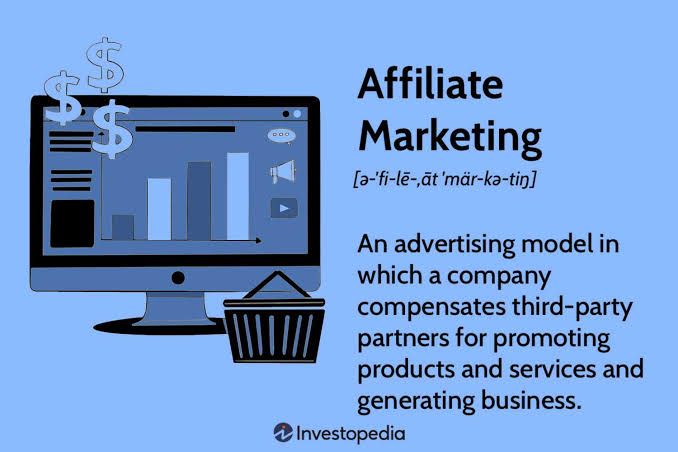
Affiliate marketing has always evolved alongside the broader internet, but the pace of change has accelerated noticeably in the past couple of years. The rise of AI-powered search, the ongoing collapse of third-party cookie tracking, the growing dominance of mobile traffic, and a shift in consumer trust toward individual creators over traditional advertising are all reshaping how affiliate marketers find their audience, get credited for sales, and earn a living. Understanding these shifts isn’t just interesting background — it’s increasingly essential for any affiliate marketer trying to build a business that survives the next several years, not just the current one.
This guide walks through the major forces currently reshaping affiliate marketing and what they mean practically for how you build and run an affiliate business going forward.
AI-Powered Search and the Rise of Generative Engine Optimization
Perhaps the single biggest structural shift facing affiliate marketers right now is the rise of AI-generated search answers, which are changing how people discover products and, more importantly, how they discover the content that recommends those products. Search engines increasingly generate direct, synthesized answers to queries rather than simply returning a list of links, which means affiliate content now needs to be optimized not just for traditional search engine ranking but for being cited, referenced, or drawn upon by AI systems generating those synthesized answers — a discipline increasingly referred to as generative engine optimization, or GEO.
What this means practically is that thin, keyword-stuffed content is becoming even less viable than it already was, since AI systems tend to draw from sources that demonstrate genuine depth, clear structure, and verifiable expertise rather than surface-level content optimized purely for older-style keyword matching. Affiliates with genuine editorial authority — sites that clearly demonstrate real product testing, cite specific data, and provide well-organized, comprehensive coverage of a topic — are gaining visibility in this new landscape, while thin affiliate sites built purely around keyword targeting are losing ground. This trend rewards exactly the kind of deep, expertise-driven content that has always been good practice in affiliate marketing, but it raises the bar for what counts as sufficient depth.
The Decline of Third-Party Cookie Tracking
Third-party cookie tracking, long the backbone of digital advertising and a meaningful part of affiliate attribution, has become increasingly unreliable as browsers restrict cookie use and privacy-conscious users opt out of tracking at rates that vary significantly by region but are substantial in many privacy-strict markets. Combined with the fact that a large share of desktop users now run ad blockers, a meaningful portion of legitimate affiliate-driven traffic and conversions have become difficult to accurately track and attribute using older methods.
In response, more affiliate programs and networks are shifting toward server-side tracking, which records conversion data directly between a merchant’s server and the affiliate network rather than relying on a browser-based cookie that can be blocked or cleared. This shift generally benefits affiliates in the long run, since server-side tracking tends to be more accurate and less prone to lost attribution, but it does mean affiliates should pay attention to whether the programs they promote are keeping pace with this transition, since programs still relying entirely on old-style cookie tracking may increasingly under-report — and underpay for — real conversions they’re actually driving.
Mobile-First Everything
Mobile devices already account for a majority of affiliate-driven traffic, and that share continues to grow. This has practical implications well beyond simply having a responsive website. Content needs to load quickly and format cleanly on small screens, checkout and affiliate link flows need to work smoothly within in-app browsers rather than assuming a full desktop browsing experience, and short-form video — increasingly consumed and discovered on mobile — has become a meaningfully more important content format for affiliate marketers than it was even a few years ago. Affiliates who continue to build and optimize primarily for desktop experiences are increasingly working against the grain of where their actual audience is spending time and making purchase decisions.
AI as a Production Tool, Not a Replacement for Expertise
AI tools have become widely adopted across the affiliate marketing industry for tasks like keyword research, content drafting assistance, predictive analytics on campaign performance, and personalized product recommendation engines. A large majority of affiliate marketers now report using AI tools in some part of their workflow. But the affiliates seeing the best results with these tools are using them to accelerate research and drafting, not to fully replace the human expertise, testing, and editorial judgment that differentiates genuinely trustworthy content from generic filler. Search engines and AI answer systems alike are increasingly tuned to reward content that demonstrates real, first-hand expertise and penalize content that reads as generic or interchangeable with dozens of other AI-generated pages covering the same topic. The practical lesson is that AI is best used as an efficiency multiplier on top of genuine expertise, not as a substitute for it.
The Continued Rise of Creator-Led and Micro-Influencer Partnerships
Brands are increasingly shifting affiliate and partnership spending toward individual creators and micro-influencers rather than relying solely on large, traditional affiliate sites or broad-based advertising. This shift reflects a broader consumer trend toward trusting individual voices with demonstrated expertise or authentic personal experience over more impersonal, purely commercial content. For affiliates, this trend rewards building a genuine personal brand and audience relationship — through video, social platforms, or a well-cultivated email list — rather than operating purely as an anonymous content site competing on search rankings alone. It also means affiliate programs themselves are evolving to better support creator-style partnerships, including more flexible commission structures, co-marketing opportunities, and direct collaboration beyond a simple tracking link.
Shifting Commission Structures Toward Recurring and Value-Based Models
As covered in more depth elsewhere, there’s a clear industry-wide trend toward recurring and value-based commission structures, particularly in software and subscription categories, as merchants recognize that rewarding affiliates for genuinely valuable, retained customers produces better long-term outcomes than simply paying for a first transaction. This trend is likely to continue and expand into categories beyond software, as more merchants recognize that a purely one-time commission structure can incentivize affiliates to prioritize volume over customer fit, while a recurring or retention-linked structure naturally aligns affiliate incentives with genuinely satisfied, long-term customers.
First-Party Data Becomes a Competitive Advantage
As third-party tracking becomes less reliable, affiliates who have built their own first-party data — primarily through email lists, but also through logged-in community platforms or apps — gain a meaningful competitive advantage over affiliates relying entirely on search traffic and third-party attribution. This first-party relationship isn’t just useful for tracking and attribution purposes; it also provides a direct channel to an audience that isn’t subject to the same volatility as search algorithm changes or platform policy shifts. The affiliates best positioned for the next several years are, unsurprisingly, the ones who have already invested in owning a direct relationship with their audience rather than depending entirely on channels they don’t control.
What Stays the Same Even as the Landscape Shifts
Amid all this change, it’s worth noting what hasn’t changed, and likely won’t. Genuine expertise and trustworthy recommendations remain the core value an affiliate marketer provides, regardless of which specific platform or technology mediates that recommendation. Diversification — across traffic sources, affiliate programs, and commission structures — remains a sound risk-management principle regardless of which specific channel is currently ascendant. And the fundamental economics of affiliate marketing — earning a commission for genuinely helping someone make a good purchasing decision — remain intact even as the tools and platforms surrounding that core transaction continue to evolve.
Practical Steps to Prepare for What’s Coming
Given these trends, a few concrete adjustments are worth prioritizing now rather than waiting for them to become urgent. Investing in genuinely deep, well-researched content rather than thin, keyword-driven pieces positions you better for both traditional search and the emerging AI-answer landscape. Building an email list, if you haven’t already, provides a first-party relationship that isn’t subject to search or platform volatility. Auditing your current affiliate programs for whether they’ve adopted modern server-side tracking helps ensure you’re actually being credited accurately for the traffic you send. Investing in mobile-optimized content and short-form video, even if your primary format has historically been long-form written content, meets your audience where an increasing share of their attention already is. And using AI tools to accelerate your workflow, while continuing to invest in the genuine expertise and firsthand testing that differentiate your content from generic alternatives, positions you to benefit from AI’s efficiency gains without falling into the trap of producing exactly the kind of generic content that’s losing ground in this new landscape.
An Industry That Keeps Rewarding Genuine Value
The future of affiliate marketing looks less like a wholesale reinvention of the model and more like an acceleration of trends that have been building for years: a premium on genuine expertise over volume, a shift toward owned audience relationships over borrowed platform traffic, and commission structures that increasingly reward long-term customer value over one-time transactions. Affiliates who adapt to these shifts — investing in real depth, building first-party relationships, and treating AI as a tool rather than a replacement for genuine judgment — are well positioned not just to survive the current transition but to benefit meaningfully from it, as the affiliates relying on shortcuts and thin content increasingly fall behind.