
If you have ever clicked a link in a YouTube video description, read a “best products” blog post, or seen an Instagram creator say “link in bio,” you have already encountered affiliate marketing in action. It is one of the most accessible ways to earn income online, and in 2026 it continues to grow as more brands shift their advertising budgets toward performance-based partnerships. This guide breaks down exactly what affiliate marketing is, how it works, who is involved, and why so many beginners are turning to it as a way to build an online income stream.
Defining Affiliate Marketing in Simple Terms
At its core, affiliate marketing is a performance-based business model where you earn a commission by promoting another company’s products or services. Instead of creating your own product, managing inventory, or handling customer support, you act as a middleman connecting potential buyers with businesses that already have something to sell.
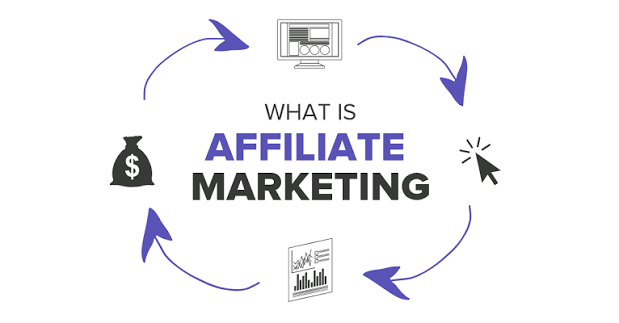
Here is the basic flow: a company creates a product. You, the affiliate, sign up for that company’s affiliate program and receive a unique tracking link. You share that link through a blog, social media post, YouTube video, or email newsletter. When someone clicks your link and makes a purchase (or sometimes just signs up or takes another qualifying action), you earn a percentage of that sale or a fixed commission.
This is fundamentally different from traditional advertising, where you pay upfront for exposure regardless of results. Affiliate marketing only pays when it works, which is exactly why it appeals to both beginners with small budgets and established brands looking for measurable return on investment.
The Four Key Players in Every Affiliate Relationship
Understanding affiliate marketing becomes much easier once you recognize the four parties typically involved in any transaction.
The merchant, also called the advertiser or product creator, is the business that owns the product or service. This could be a massive company like Amazon, a software company like HubSpot, or a small independent course creator.
The affiliate, also known as the publisher, is you. You are the person or business promoting the merchant’s product to your audience in exchange for a commission.
The consumer is the person who clicks your affiliate link and ultimately makes a purchase or completes the desired action. Consumers do not usually pay extra because of the affiliate link; the price stays the same whether they buy directly or through your link.
The affiliate network sits in the middle, though not every affiliate program uses one. Networks like ShareASale, CJ Affiliate, and Impact handle the tracking, reporting, and payment processing between merchants and affiliates. Some large companies, like Amazon, run their own in-house affiliate programs without a third-party network.
How Affiliate Tracking Actually Works
A common question beginners ask is: how does a company know that a sale came from me? The answer lies in tracking technology, primarily cookies and unique affiliate IDs embedded in your links.
When you join an affiliate program, you receive a special link containing a unique identifier tied to your account. When someone clicks that link, a small piece of data called a cookie is stored in their browser. This cookie tells the merchant’s system, “this visitor came from affiliate number 12345.”
Cookie durations vary significantly between programs. Amazon’s cookie window, for example, lasts only 24 hours, meaning a sale must happen within a day of the click to count. Other programs, particularly those selling software subscriptions, offer cookie windows of 30, 60, or even 90 days. Longer cookie windows generally favor affiliates because they give buyers more time to make a purchasing decision while still crediting the referral.
Some programs also use last-click attribution, meaning if a consumer clicks multiple affiliate links from different people before buying, only the last person whose link was clicked gets credit. Understanding this attribution model matters because it affects how you should structure your content and calls to action.
Common Affiliate Commission Structures
Not all affiliate programs pay in the same way. Recognizing the different commission structures will help you evaluate which programs are worth your time.
Pay-per-sale is the most common structure, where you earn a percentage of the total sale amount. Commission rates vary wildly by industry, from around 1 to 4 percent for physical products on Amazon, to 20 to 50 percent or higher for digital products and software.
Pay-per-lead rewards you simply for generating a qualified lead, such as getting someone to fill out a form, start a free trial, or request a quote. This is common in industries like finance, insurance, and B2B software, where the actual sale might happen much later through a sales team.
Pay-per-click is less common today due to fraud concerns, but some programs still pay a small amount for every click your link generates, regardless of whether a sale happens.
Recurring commissions are especially attractive for beginners building a long-term income stream. Many software-as-a-service companies pay affiliates a percentage of the customer’s subscription fee for as long as that customer remains subscribed, sometimes for years after the original referral.
Why Affiliate Marketing Has Become So Popular
Several factors explain why affiliate marketing continues to attract beginners in 2026. First, the barrier to entry is extremely low. You do not need to develop a product, manage inventory, handle shipping, or provide customer service. Your only job is to connect the right audience with the right product.
Second, startup costs are minimal compared to almost any other online business model. While you can invest in a website, tools, and paid advertising, it is entirely possible to start affiliate marketing using free platforms like YouTube, TikTok, Pinterest, or even a free blog.
Third, affiliate marketing offers genuine scalability. A single piece of content, such as a well-optimized blog post or YouTube video, can continue generating commissions for months or years after it was published, a concept often referred to as passive or semi-passive income.
Fourth, the industry itself is growing. As more consumers research products online before purchasing, and as brands recognize the value of authentic recommendations from trusted creators, affiliate marketing budgets have continued to expand across nearly every industry, from software and finance to beauty, travel, and home goods.
What Affiliate Marketing Is Not
It is worth clarifying a few misconceptions, because affiliate marketing is often confused with other business models. It is not multi-level marketing (MLM). In affiliate marketing, you earn based on your own sales performance, not by recruiting other people beneath you into a downline structure.
It is not dropshipping. Dropshipping involves you owning a store, setting prices, and handling (at least nominally) the sales transaction and customer relationship, even though a third party ships the product. In affiliate marketing, the merchant owns the entire sales process; you simply refer the customer.
It is also not a guaranteed get-rich-quick scheme. While some experienced affiliates earn substantial incomes, success typically requires consistent content creation, audience building, and testing over months or years, not days.
The Skills That Make Affiliates Successful
Beginners often assume affiliate marketing requires advanced technical skills, but the reality is that the most important skills are more foundational. Content creation is central, whether that means writing blog posts, filming videos, or crafting social media captions that genuinely help your audience make decisions.
Basic search engine optimization (SEO) knowledge helps your content get discovered by people actively searching for product recommendations, comparisons, and reviews. Copywriting, or the ability to write persuasively and clearly, helps convert readers and viewers into buyers without sounding pushy.
Audience trust-building is arguably the most underrated skill. Successful affiliates are seen as knowledgeable, honest sources of information rather than salespeople. This trust is built over time through consistent, transparent, and genuinely useful content, including honest disclosure that you may earn a commission from recommended links.
Finally, basic data analysis helps you understand which content, products, and traffic sources are actually converting, so you can double down on what works and abandon what does not.
Where Beginners Typically Start
Most beginners choose one primary content platform to start. A blog remains one of the most durable choices because content published today can continue ranking in search engines and generating traffic for years. YouTube offers strong potential due to the platform’s search functionality and long content lifespan. Social media platforms like Instagram, TikTok, and Pinterest offer faster audience growth but often require more frequent content output.
Email marketing is another powerful channel, particularly once you have built an audience elsewhere, because it allows direct, repeated communication with people who have already expressed interest in your recommendations.
Regardless of platform, the process typically starts with choosing a niche, joining relevant affiliate programs, creating helpful content around products in that niche, and consistently promoting that content to attract an audience over time.
Legal and Ethical Considerations
Affiliate marketing is legal and legitimate, but it comes with regulatory responsibilities. In the United States, the Federal Trade Commission (FTC) requires affiliates to clearly disclose their affiliate relationships whenever they recommend a product they may earn a commission from. This typically means including a disclosure statement near affiliate links or at the beginning of content that contains them.
Beyond legal compliance, ethical affiliate marketing means only recommending products you genuinely believe will help your audience. Promoting low-quality products purely for a high commission tends to damage audience trust and hurt long-term earning potential, since your credibility is your most valuable asset as an affiliate.
Setting Realistic Expectations
One of the most important mindset shifts for beginners is understanding that affiliate marketing is a business, not a lottery ticket. Most successful affiliates spend weeks or months creating content and building an audience before seeing meaningful income. Early results are often modest, sometimes just a few dollars a month, before compounding into more substantial earnings as content accumulates and search rankings improve.
That said, the ceiling for affiliate marketing income is genuinely high. Many full-time affiliate marketers earn six or seven figures annually, built on a foundation of trusted content, smart traffic strategies, and diversified affiliate partnerships.
Final Thoughts
Affiliate marketing offers one of the most accessible entry points into online business today. By understanding how tracking, commissions, and the relationships between merchants, affiliates, networks, and consumers actually work, you set yourself up to make smarter decisions from day one. The path forward involves choosing a niche you understand, joining reputable affiliate programs, creating genuinely helpful content, and building the kind of trust that turns casual readers into loyal customers. In the guides that follow in this series, we will walk through exactly how to take these fundamentals and turn them into a functioning, income-generating affiliate marketing business, even if you are starting with no money and no prior experience.